Overcome Snoring and Obstructive Sleep Apnea with Dental Sleep Medicine
Sleep disorders can have a profound impact on your overall health. From snoring and sleep apnea to daytime fatigue, these conditions diminish your quality of life and pose severe health risks if left untreated. A dental sleep medicine dentist in Flower Mound, Texas, diagnoses and treats sleep-related disorders to improve sleep quality and health. With oral appliances, dental sleep medicine from Flower Mound Dental: Dr. William E. Wyatt, Jr offers an alternative to traditional treatments like CPAP therapy.
What is obstructive sleep apnea (OSA)?
OSA is one of the most common sleep disorders in children and adults. It occurs when the muscles in the throat, particularly the tongue and the soft palate, relax excessively during sleep. This relaxation leads to a temporary collapse of the airway, causing a partial or complete blockage. The restricted airflow causes repeated pauses in breathing throughout the night.
These interruptions can last a scary 10 seconds or more and happen dozens or even hundreds of times during sleep. Each time the airway is blocked, the brain detects oxygen deprivation and briefly awakens you up to reopen the airway, often without you realizing. This start-and-stop breathing cycle disrupts normal sleep patterns, leading to poor sleep quality and various health issues.
How do I know I have OSA?
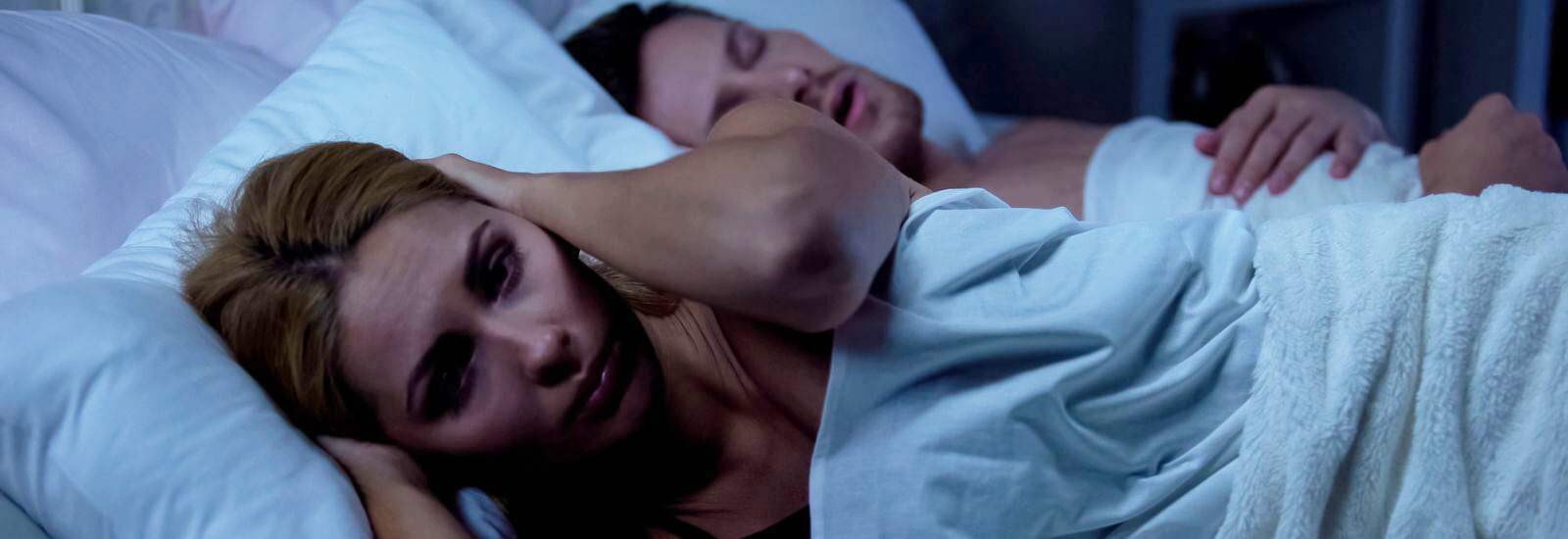
Snoring is one of the most common symptoms of OSA. Snoring occurs when air vibrates past the relaxed tissues in the throat, creating a loud, harsh sound. Interestingly, not everyone with OSA snores. Some patients may have what’s known as silent apnea. In this case, the airway blockage is not significant enough to cause loud vibrations but still restricts airflow.
Besides snoring, the following symptoms also indicate the presence of OSA.
- Gasping for air when sleeping
- Morning headaches
- Daytime fatigue or sleepiness
- Frequent awakenings at night
- Irritability and mood changes
- Poor concentration during the day
- Waking up with a sore throat
OSA is a severe sleep disorder. When left untreated, it increases the risk of hypertension, stroke, diabetes, heart disease, and depression. If you suspect OSA, don’t delay treatment. Get evaluated by a healthcare professional to protect your long-term well-being.
How does dental sleep medicine treat sleep disorders?
Traditional treatment for OSA and chronic snoring has long relied on Continuous Positive Airway Pressure (CPAP) therapy. This method involves wearing a mask connected to a machine that delivers a steady stream of pressurized air through a hose. The CPAP machine gently forces air into the upper airway, preventing it from collapsing during sleep. CPAPs work but can be uncomfortable for some, as the mask and hoses may feel restrictive.
Dental sleep medicine uses oral appliance therapy (OAT) to treat mild to moderate OSA. OAT uses a custom-designed oral device instead of masks strapped to your head. The sleep apnea device suppresses the tongue and repositions your lower jaw to support healthy sleeping breathing.
This mouth appliance fits snugly over your mouth to provide optimal sleeping comfort. Many patients also love oral appliances because they are noiseless, portable, and easy to use. They are also effective when worn as directed by the dentist.
Everything You Need to Know About Obstructive Sleep Apnea
Why do I have obstructive sleep apnea?
Obstructive sleep apnea (OSA) happens when the tissues in your throat relax too much during sleep. This blocks your airway and interrupts your breathing. Several factors can increase your risk, including:
- Excess weight
- A narrow airway
- Underdeveloped jaws or a large jaw
- Enlarged tonsils
- Being over age 40
- Nasal congestion
- Genetics
OSA doesn’t discriminate. It can affect people of all ages, including children. Even people who are fit and healthy can develop sleep apnea because of their natural airway shape.
How is sleep apnea diagnosed?
Sleep apnea is diagnosed with a sleep study (polysomnography). This can be done in a sleep lab or sometimes at home. The test monitors your breathing, oxygen levels, heart rate, and sleep patterns. The results confirm the presence of sleep apnea and its severity.
How does sleep apnea affect my health?
Untreated sleep apnea can cause significant health problems. Poor sleep strains your heart and raises your risk of high blood pressure, stroke, and heart disease. A lack of restful sleep can lead to constant fatigue, headaches, memory issues, irritability, and difficulty concentrating. Many patients also develop nighttime grinding, which wears down their teeth. Treating sleep apnea helps protect your long-term health and quality of life.
Will I have to use a CPAP machine?
Not always. CPAP is one option, but many patients cannot tolerate it. If you have mild to moderate sleep apnea or are unable to use CPAP, we may recommend an oral appliance. These custom devices are small, comfortable, and easy to wear.
How does oral appliance therapy work?
An oral appliance is a custom-made device that fits over your teeth, similar to a retainer. It gently moves your lower jaw forward to keep your airway open while you sleep. This prevents the airway from collapsing and reduces snoring and apneic episodes. Most patients find it comfortable and easy to adapt to.
Are there any side effects of the oral appliance?
Side effects are usually mild and temporary. You may notice slight jaw soreness, extra saliva, or minor tooth pressure as you adjust. These symptoms typically subside as your muscles adjust to the new activity. We monitor your progress to ensure proper fit and comfort.
What are the benefits of sleep apnea treatment?
Sleep apnea treatment can transform your life and health. Its life-changing benefits include:Â
- Deeper, restful sleep
- Improved mood and focus
- Enhanced daytime energy
- It protects your health from several systemic conditions
Patients typically experience improvement within days of starting treatment. Many share that they can finally feel like themselves again.
What is the cost of sleep apnea treatment in Flower Mound, TX?
The cost varies depending on your diagnosis, the type of appliance, and your insurance coverage. We will provide an estimate after a consultation. We’ll also discuss our financing options to make your treatment affordable.
Does insurance cover sleep apnea treatment?
Sleep apnea treatment is considered a medical condition, so it’s typically billed through your medical insurance. However, coverage depends on your plan and medical necessity. We help verify your benefits and file claims on your behalf. We’ll also check if pre-authorization is required.
Where can I get sleep apnea treatment in Flower Mound?
If you or your loved one is tired of poor sleep and constant fatigue, Flower Mound Dental can help. Dial (972) 351-8555 and schedule an appointment with our sleep apnea dentist, Dr. Will Wyatt. Let’s help you reclaim your sleep and improve your health.
Ready for dental sleep medicine?
Are you losing the battle to OSA or chronic snoring? Dental sleep medicine in Flower Mound, TX, can improve sleep quality and reduce the risk of systemic illnesses. To get started, call (972) 351-8555 to schedule an appointment with Dr. William Wyatt.