


29
Jun
Remove Your Wisdom Teeth This Summer: The Importance and Convenience of Extraction
Taking care of your dental needs and oral hygiene is crucial to maintaining a healthy life. As we all know, our teeth undergo various changes throughout our life, and one of them is the appearance of wisdom teeth. Wisdom teeth are the last set of molars that grow in the back of the mouth, typically emerging between the ages of 16 and 25. While some people may not experience any issues with their wisdom teeth, others may require removal. If you’re one of the latter, then we encourage you to read further to learn about the importance of getting your wisdom teeth extracted and why summer is the perfect time to do it.
The Importance of Getting Your Wisdom Teeth Extracted
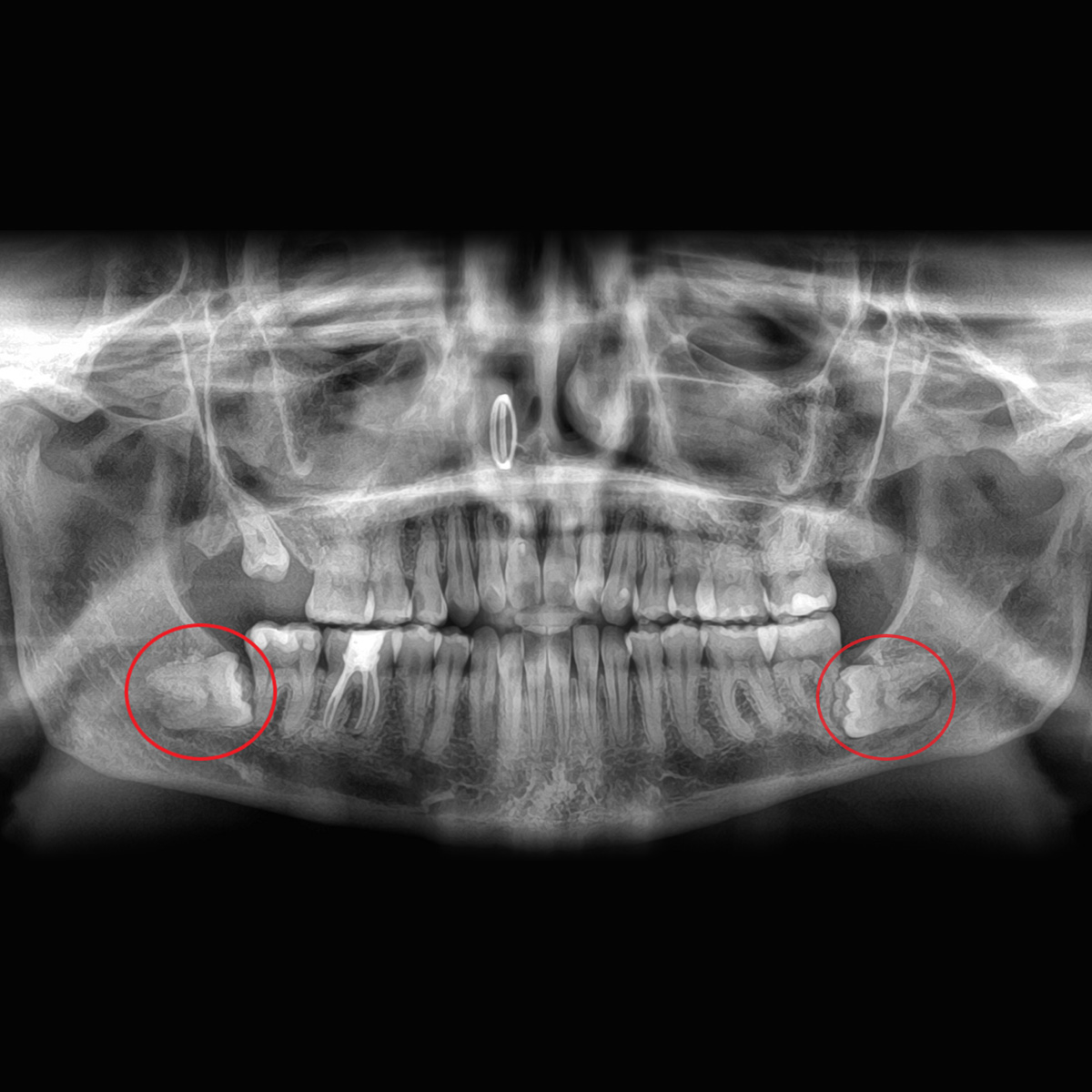
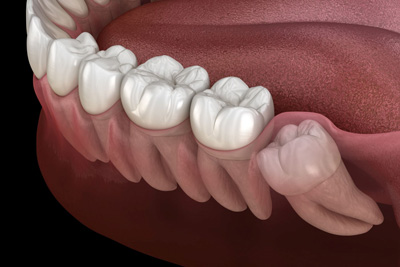
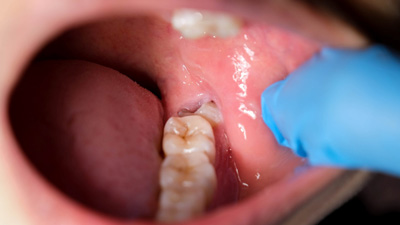
When wisdom teeth do not have enough room to grow, they can cause various complications such as infection, pain, and even damage to surrounding teeth. Wisdom teeth can also come in at an angle, causing crowding, and creating problems with spacing and alignment. If left untreated, these issues can worsen over time, causing lasting damage and increasing the chances of developing gum disease or tooth decay.
Therefore, it’s essential to remove your wisdom teeth as soon as possible, especially if you’re experiencing any symptoms. Here at Flower Mound Dental, we can use X-rays to determine if your wisdom teeth are causing problems or if their extraction is necessary. The extraction procedure is typically straightforward and can be done in one visit. It’s important to know that the wisdom teeth extraction procedure is not usually complicated and can be done with sedation to ensure the patient’s comfort. Most patients fully recover within one week after extraction.
Call our office for more information
New Patients: (972) 351-8555 | Existing Patients: (972) 355-2222
Request an Appointment
Why Summer is the Best Time to Get Your Wisdom Teeth Extracted
For young adults, the summer months are the ideal time to schedule wisdom teeth extraction. With no school and fewer responsibilities, summer allows them to recover entirely without worrying about missing school or work.
During the summer, most young people stay indoors to avoid the crazy Texas heat, making it an excellent time to recover! Additionally, having the procedure done during the summer will allow ample time for any complications to be fully resolved, enabling teenagers to start the new academic year pain-free, and confident about their smile.
Final Thoughts
When it comes to wisdom teeth extraction, the earlier, the better. Here at Flower Mound Dental, Dr. Wyatt recommends scheduling an appointment before the first signs of complications. (Pain, sensitivity, etc.) The recovery process can take time, so choosing the summer months is an excellent option. Our highly skilled team at Flower Mound Dental is always ready to guide you through the process and answer any questions you may have. Do not delay, schedule your appointment today! Give us a call or text at (972) 355-2222!